DESIGNERS TALK 04
Working Abroad Brings Fresh Challenges and Discoveries Each Day
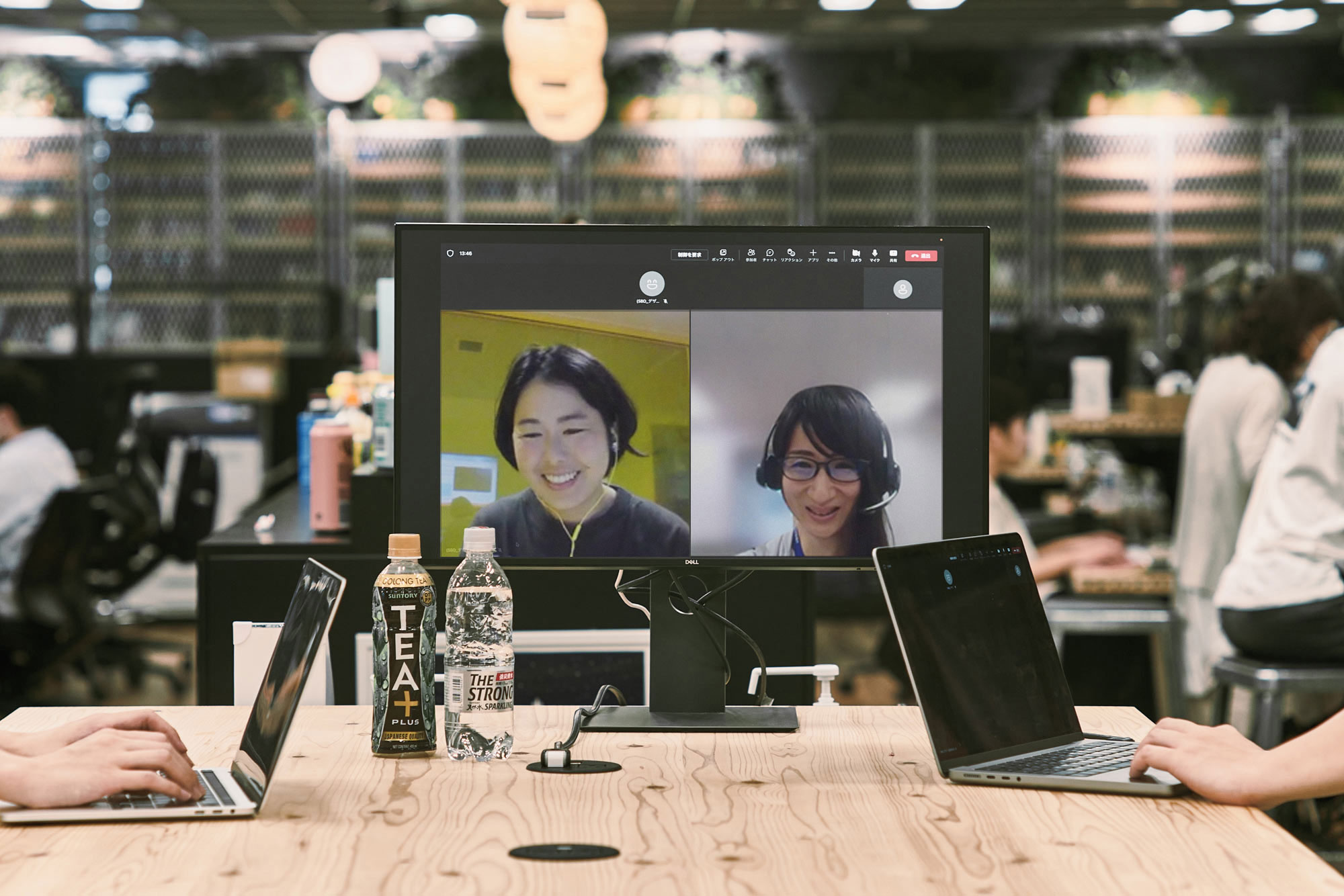
Suntory's Product Development, From Japan to the WorldSome members of the Design Center are based overseas, in cities all around the globe. Sayaka was assigned to a post in Thailand in 2021, and Ayano was assigned to a post in France in 2022. They share what it's like working in Product Development in their respective territories.
Interviewed in 2022

Sayaka IMANISHI
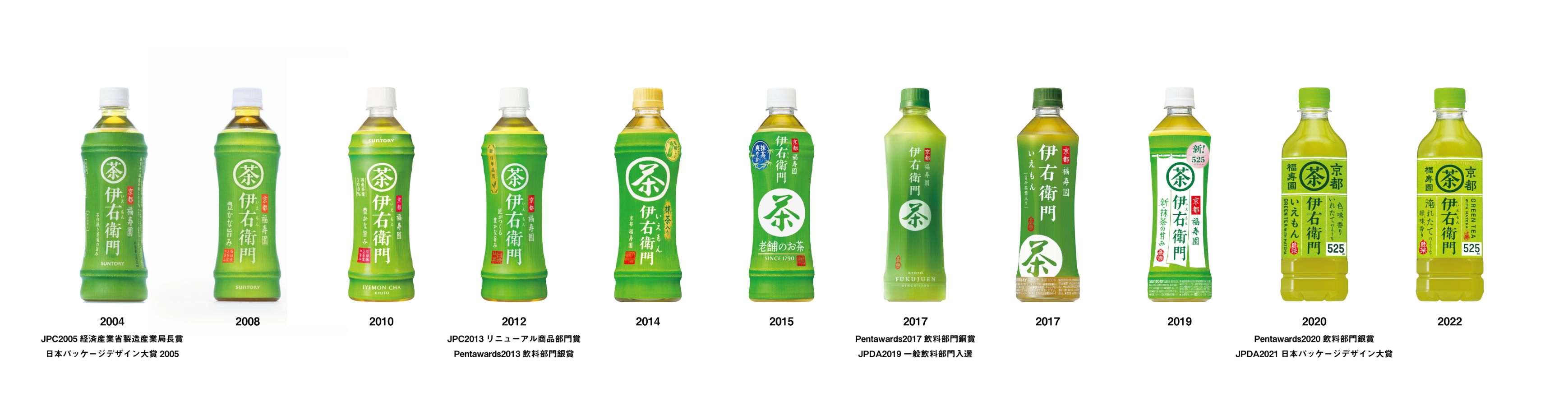
After graduating from Musashino Art University, Sayaka worked as a designer at a commercial design agency, and then at a food manufacturer, before joining Suntory's Design Center. She has since primarily been in charge of design for Iyemon Tokucha and Pepsi. She currently resides in Bangkok, Thailand, where she works in Product Development for TEA+, BRAND'S, V and more.

Ayano YAMAGISHI
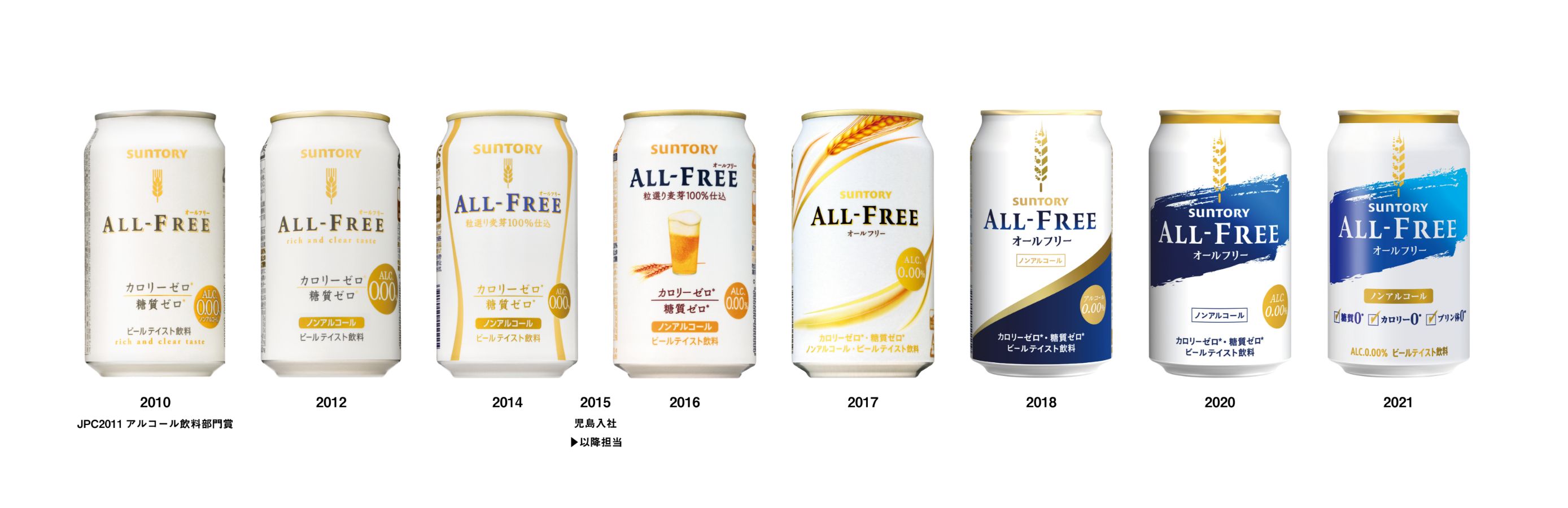
Ayano joined Suntory after graduating from Tokyo Metropolitan University's Faculty of Systems Design. After working on the design of brands that include RTD Horoyoi and Tennen-sui water, she was assigned to our office in Paris, France. She is currently back in Tokyo working in the field of Direction. She still resided in France at the time of the interview.
Index
-
Talk Topic 1
This is The Kind of Work We Do!
-
Talk Topic 2
Plenty of Obstacles, Plenty of Fun Overcoming Them
-
Talk Topic 3
Connecting Local Culture With Product Development
-
Talk Topic 4
You Gain So Much More Once You're Actually There
-
Talk Topic 5
You Make Plenty of Discoveries About Japan Too
-
Talk Topic 6
Success and Failure Are All Part of The Fun!
This is The Kind of Work We Do!
——— What's it like working abroad?
I get to work with a diverse range of characters, which is very stimulating, and I'm really enjoying working on Product Development here, each and every day! I'm constantly encountering new things, some of which totally change the way I see the world, and I can truly feel that my perspective expanding all the time.
It's not just my first time working abroad, it's my first time living abroad too, so everything's fun.
——— I see! So, give us more details about the work you're involved with.
I'm living in Thailand, and I'm in charge of the APAC region (Asia-Pacific). I work with the people in charge of marketing for our respective brands, and with the developers of the contents, and with third-party designers too. We work on Product Development, Design, and more. As far as my position goes, it's pretty much the same as it was back at the Design Center in Japan.
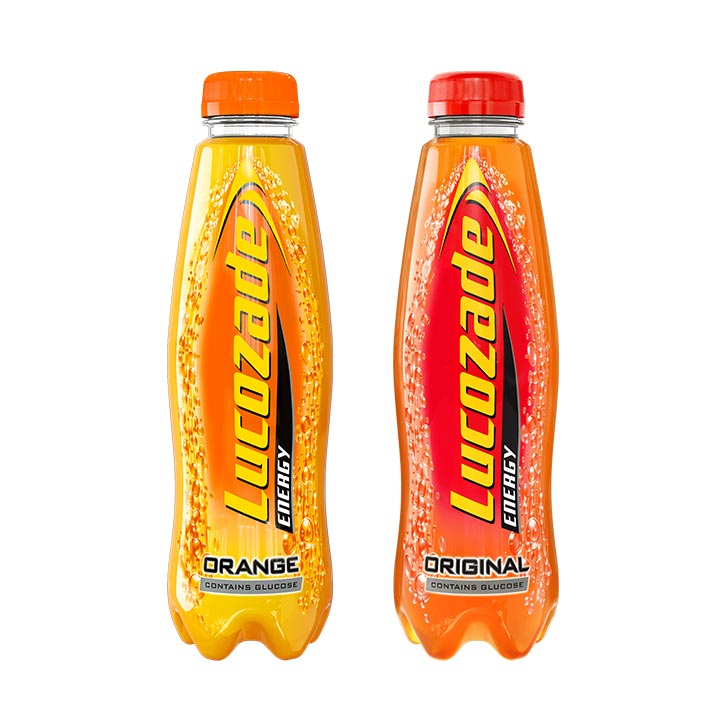
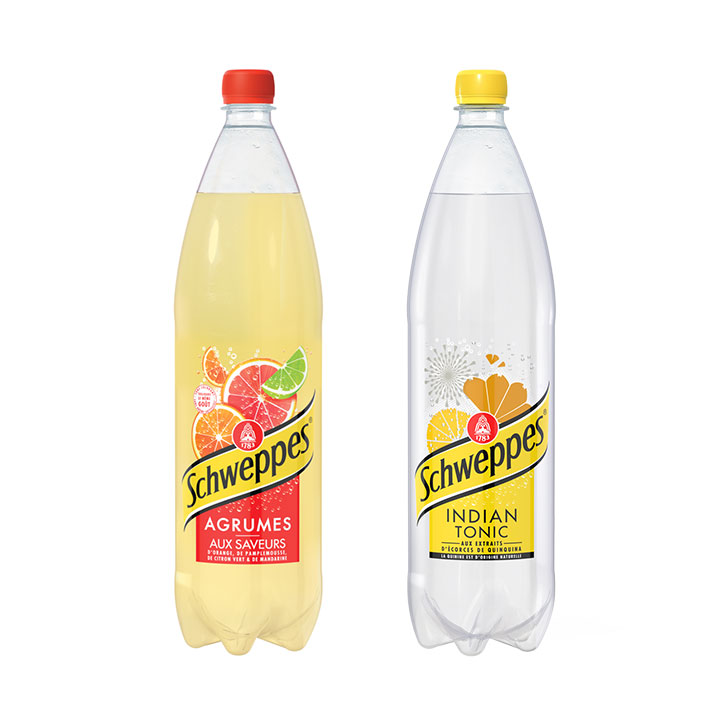
As a member of the Marketing Department, I'm in charge of all the brands throughout Europe. I'm tasked with conveying the Suntory approach to Production Development to the companies within the Suntory Group, in all the different countries, and we actually implement the different methods as we go. The main brands I'm in charge of are Lucozade in the UK, OASIS in France, and Schweppes, which we have in about 20 different countries.
One of Suntory's strengths is the way people in charge of Design, R&D, and Marketing all work together, from the creation of the Concept, through to the naming of a Product. But that approach to Product Development is still far from the norm for our overseas operations. I think it's crucial to get the local teams to realize: "That is a fun approach." "It's a logical one, too."
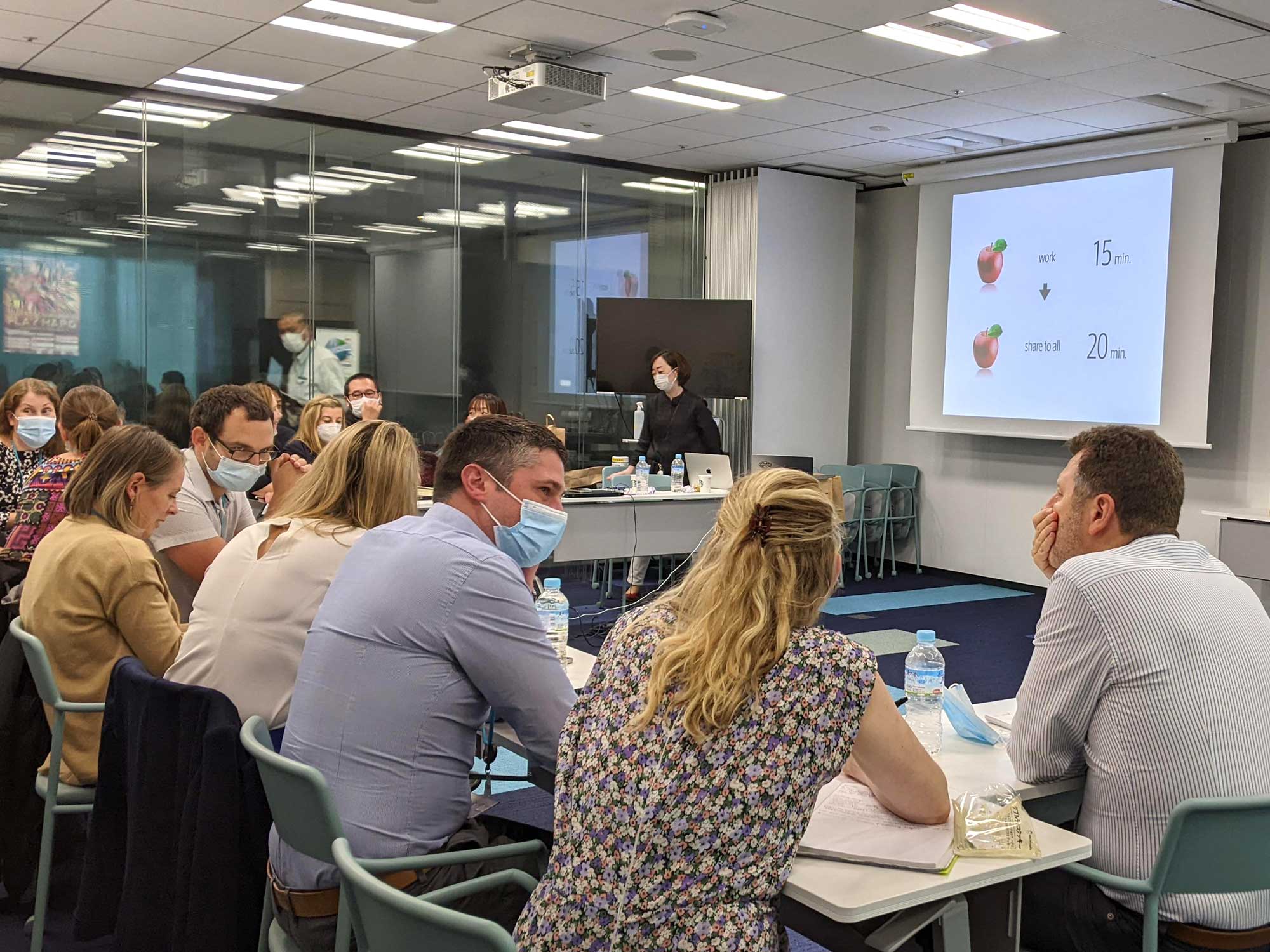
My role isn't just to support the Designers, but the Brand Managers too. Which means I have to help them appreciate the way we do Product Development at Suntory, and for that to lead to better creativity. I also have to help the local team members understand the value of key concepts, such as seeking deeper insight, and repeatedly forming and testing hypotheses. And we do that by holding workshops, and through actual Product Development.
Taking a really deep dive into customer insight is the Suntory way, and we have to try and convey that to the team in the lingua franca — English.
One time I said, "Let's rethink things from the Concept level for a change." The response was like, "What's the point?" "That sounds kind of inefficient..." They were a bit suspicious, but they decided to give it a go. And then, after repeating the process of forming and testing different hypotheses a couple of times, we did actually make a new discovery. They were like, "Now I get it! Maybe this approach does have its benefits." It was a small step, but it was in the right direction.
Plenty of Obstacles, Plenty of Fun Overcoming Them
——— When you work abroad, you do everything in English?
That's right. My region is APAC, so I interact with colleagues from countries like New Zealand and Australia, who are native English speakers, as well as those from countries such as Vietnam and Thailand, who are aren't native English speakers. I still have some difficulties communicating in English, but I manage to get by.
Some of the brands I'm charge of are available in non-English speaking countries, such as France and Spain, but all the discussions take place in English. I feel that the interactions I have with people who aren't native English speakers go relatively smoothly, but I still have difficulties when it comes to communicating with native English speakers.
Yes, it is harder to have conversations with native English speakers. But to be honest, I feel like I'm managing a lot better than I'd initially feared. Before I arrived, I was rather concerned about how productive any discussions would end up being...
You don't have to display a rich vocabulary, or speak with great eloquence — the only thing that matters is whether you can convey your thoughts and feelings or not. Words can be a barrier, but it's really important to use your head, and make sure your message reaches your target. That's really hit home since I started working here. When you don't get what's going on, there's no need to be shy. Just ask, "What did you just say?" "What does that mean?"
So, there's a language barrier, and then you experience a lot of other difficulties too. Like with things related to the culture, and the character of things you're not familiar with. I've been in Thailand for more than a year now, but I still have no idea which typeface designs look cool, and which look more traditional. If it was in Japanese, I'd be able to appreciate the nuances, but when it comes to languages about which I have no cultural knowledge, it's hard to make a judgment.
Words also have different connotations in different cultures. For example, we might all understand what the word "modernity" means, but that word conjures up a different image for people from Japan, France, and the UK. One person might say, "I think this a nice example of modernity." Then the other will say, "No, that's more authentic." People from different cultures have different perspectives, and what they find important differs too.
Trying to use analogies can also be problematic. You can't say, "This brand's personality resembles that actress," or "It's just like that soccer player," because a lot of the time, they won't know who you're actually referring to.
I know! At Suntory, we always draw parallels between products and people.
When we do market research, we might ask: "Who would you say this product is like?" But if they answer with the name of a local actress, you won't get it. So, you have to get the local person from Marketing to break it down for you before you can even start to get some sort of understanding.
Language isn't the only source of issues with communication.
Connecting Local Culture With Product Development
That being said, it often strikes me how remarkably similar people's core elements truly are. For example, when we're working
on Product Development and we're looking for an angle, we sometimes talk about the negative things our customers
may be facing — we try to identify what makes them stressed, what they're concerned about, and what troubles them.
While there may be differences in the context from country to country, I find a lot of things are common right across the board.
Like, they want to be acknowledged by the people around them, they want to receive praise, and so on...
I think there are a surprising number of things that can be directly translated when it comes to seeking insight about humans.
And the discussions always become lively too.
I find it really interesting when I make discoveries like that. It makes you feel like you've leaped over the cultural barrier.
But on the other hand, when it comes to things that are based upon cultural elements, like typeface designs, it can be difficult to appreciate the same sensibility. When you face issues like that, finding yourself a good partner is the way to get by. For example, getting an introduction to a local creator who specializes in typeface design for the Thai language. But every day is an exercise in trial and error.
Speaking of differences in cultures, the French attitude towards vacations really surprised me. Since they take a month off
in the summer, most work stops sometime in August, but there's nothing you can do, because for the French,
summer vacations are one of life's biggest joys. For all the effort they've put in at work, they make sure they spend the same
amount of quality time with their families, and take time to recharge. When I finally understood all that, it suddenly made
sense why the keyword for our family-oriented fruit drink OASIS was "Insouciance," which means "lighthearted unconcern."
In other words, the time spent drinking OASIS should be like a summer vacation, where you focus on nothing but the fun.
The drink really is supposed to provide an extra spark of joy to the relaxed time you spend with loved ones.
It felt like the "when" and the "where" it's designed to be consumed truly is reflected in the Product.
I see. Cultural differences manifest themselves in the Product too.
I think they do. And then you'll start noticing that all of the different countries in Europe have their own completely different characteristics too. I feel that those differences have an effect on everything — from how they take holidays, to how they manage schedules, to how discussions proceed. You can feel the difference in all aspects of their daily lives.
I can imagine how Europe's cultural and ethnical diversity might create challenges for you that are different to those that I'm experiencing.
So, I adjust the way I communicate with each of my colleagues. Depending on who it is, I'll sometimes switch to a totally different mindset. When I'm talking with people who tend to think too abstractly, but I want to make things progress more smoothly, I'll provide formulas to follow, and give detailed explanations. But then when I'm talking with people who tend to think too logically, I'll encourage them to think about things a little more abstractly.
You Gain So Much More Once You're Actually There
——— So, the challenges you face are different to those you had in Japan.
That's true, but I definitely feel it was the right choice to come here. And it's made work a whole lot easier too, compared to what it was like trying to work on international projects remotely from Japan.
I agree with that.
For one, it's a lot easier to understand what's going on. There were many things that I just couldn't understand, until I actually got here. It's hard to appreciate ideas when you're not aware of the process that led to them, or the background behind them. But when you work with people in the same physical area, you get to know the individuals and see the different relationships, and the end result is that it's a lot easier to get work done.
I know what you mean! I'm working on the Schweppes project with almost exactly the same team as we had when I was participating from Japan, but previously, it always felt like we never completely shared an understanding. But now, since I've started working here in France, things go so much more smoothly. Even when some little issue arises, we can chat about it and ask each other for advice straight away. And when you do the research, you do it together with the local team, so you can share thoughts as you go. We always had a time difference when I was working from Japan, and I was working with people I'd never actually met, so I'm sure it felt like there was a great divide between us in a number of ways. I do think a lot of those issues have been resolved by becoming physically closer.
Another good thing is, you can actually experience things for yourself. Working on Product Development for Thailand when you're actually here is completely different to working on Product Development for Thailand when you're in Japan.
How does it differ?
When I was in Japan, I hardly ever drank sweet beverages. But in Thailand, it's hot all year round, so after a short walk, even 15 minutes outside, your body starts telling you that you need something sweet. So, I was able to experience first-hand how you really do need sweet drinks to survive in this weather. I truly believe it's vital to experience the climate and the vibes in the flesh as you work.
Yes, that is so important. I often go to various places throughout France and take a walk around, like I'm on a "Market Visit." It's actually my current favorite thing to do — seeing what kind of situations people drink OASIS in, and feeling the food culture and the historical background that surrounds the experience. On my days off, I even go on trips to nearby Spain and Germany.
I get out and about a bit myself. I go to art museums and galleries, but I start to feel a little jealous — Japan does have more large-scale themed exhibitions.
In France, art is very much a part of daily life, so it probably wouldn't lose to Japan in that respect.
There are lots of big exhibitions, and on the weekends it's normal for families to go to an art gallery, so they're always crowded.
By the way, French people are really interested in Japanese culture, and they hold events, like the Japan Expo and
anime exhibitions, all the time.
Those are the types of things that you only find out about once you've actually lived somewhere.
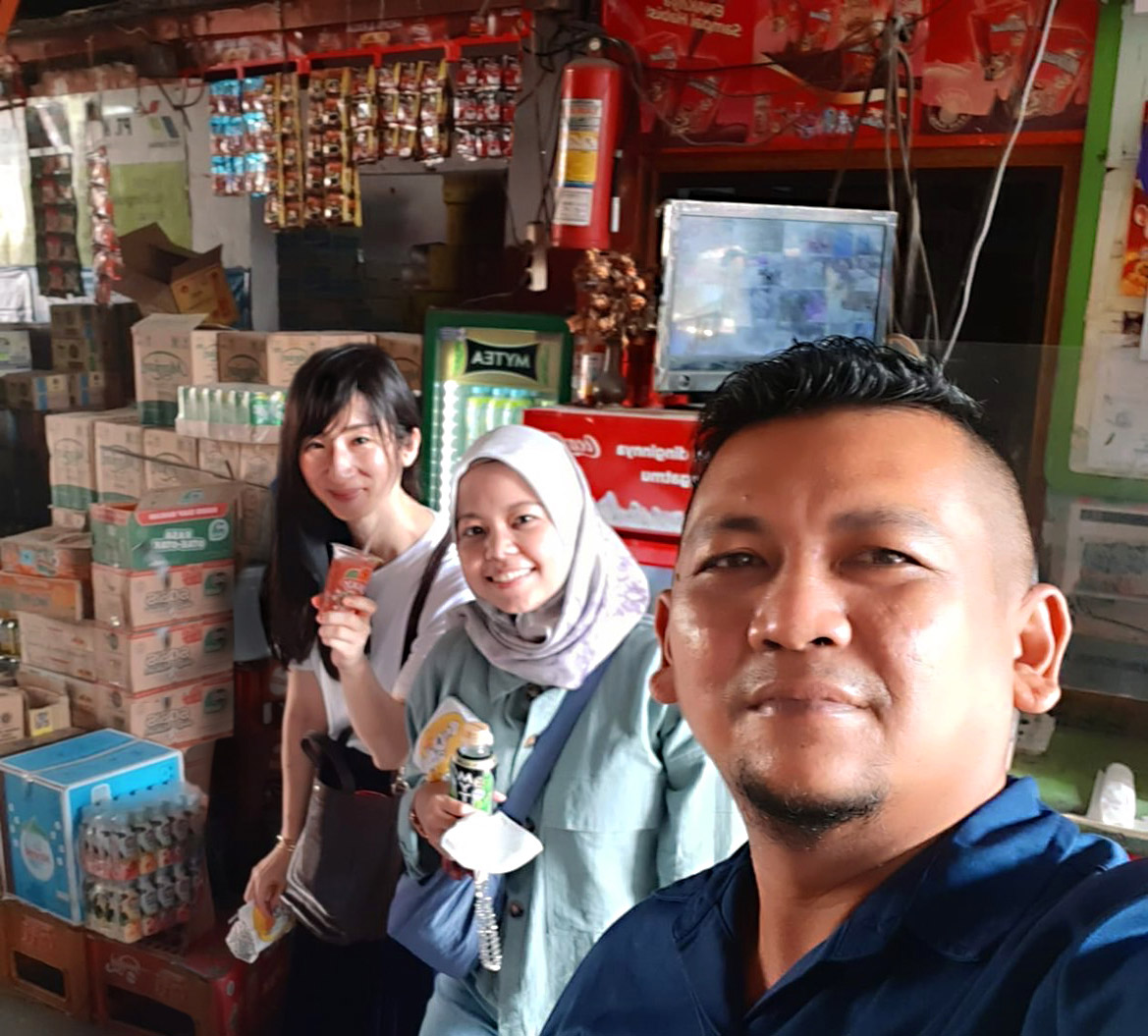
Photo of Sayaka during a Market Visit in Indonesia. She's pictured with people from the local Marketing and Sales Departments.
You Make Plenty of Discoveries About Japan Too
When you live abroad, you also start to get a better perspective of Japan. For example, people often say that Japanese hospitality is amazing, but now, I can honestly agree with them. If you're at a shopping mall in Japan and you have a problem, you can just go to the service counter and they'll tell you whatever you need, but that's not necessarily the case here. Shop assistants don't always flash you a "Welcome" and immediately offer their help. But once you get used to it, you also start to think, well, maybe it's okay like this anyway.
Now that I've tried living in France, I know that apartments can have leaks, flights can suddenly get canceled just before
they're scheduled to depart, and subways stop all the time due to strikes. There are no convenience stores, and it's hard to
find fresh vegetables at the supermarket. Once you actually start living here, you realize there are so many things about daily life
that can be terribly inconvenient... I'm finally starting to appreciate how fortunate my life was back in Japan.
However, there are some things that I find attractive about the inconveniences in France too. And they make fun of those
inconveniences themselves. I guess you could even say all the troubles make you that much richer emotionally.
I've also realized a lot of things about work since I've been here. For example, when you're working with colleagues from so many different countries, it's hard to maintain a brand's identity without some kind of manual. We don't really make brand manuals at Suntory, but now that I've come here, I've realized how valuable they could be.
When you're with someone who's Japanese, it's like you share a common understanding about many things.
But when you're with someone who's not, you have to put a lot of things into words and actually say them out loud,
otherwise you'll never be on the same page. Another thing I noticed is that outside of Japan, it's common for people to
change jobs, or go on vacation and leave the office for extended periods of time. So, there's actually an established culture
where people prepare a lot of things for whoever will fill in for them. Indeed, there are some good things that can only
be found abroad. As Japanese people, I think we should learn from those examples.
I sure would like to take the good aspects of each different culture and blend them together nicely.
Success and Failure Are All Part of The Fun!
——— So, what led to you take up a position overseas in the first place?
It had been a big dream of mine to work overseas ever since I was in college. One time my professor invited me to a workshop that was full of international students, and I found it super interesting to work with people from different countries and create something together. I couldn't speak English at all at the time, and the communication was far from smooth, but it was still a lot of fun. And now, that dream of mine has finally come true. How about you?
I was excited about the prospect of taking up the challenge to do something new... I'm a very curious person by nature.
I wanted to leap into an unknown world — somewhere overseas. I'd actually been asking my superiors and senpai (seniors)
for advice on how to make that happen from the moment I joined the company: "I want to try working overseas.
What do I have to do?” And this time, a chance came my way.
Now that I'm actually here, and I've met so many people, and encountered different cultures and ways of thinking, I have this tangible sense that's like: "This is how you broaden your horizons." I still want to meet and talk with a whole lot more people, and I want to try working in a lot of other countries too. To widen my perspective, and broaden my sense of values too.
Indeed, living life overseas is a really good thing to experience. You encounter different sets of values, sometimes unlike anything you'd ever have imagined, and I think the way I view the world will keep on changing. I definitely want more people at the Design Center to have experiences like the ones you and I have had.
I agree.
Come to think of it, a few years ago we did a number of independent projects at the Design Center that were aimed at increasing our English abilities. I think it was called, "Let's Designglish!" We had native speakers from outside the company come in as teachers, and once a fortnight we'd each make a 5-minute long presentation, after which we'd all have a discussion in English. At the time, everyone at the company had suddenly found themselves working a lot more with people from outside of Japan, so it was time for us Designers to become more globally adept too.
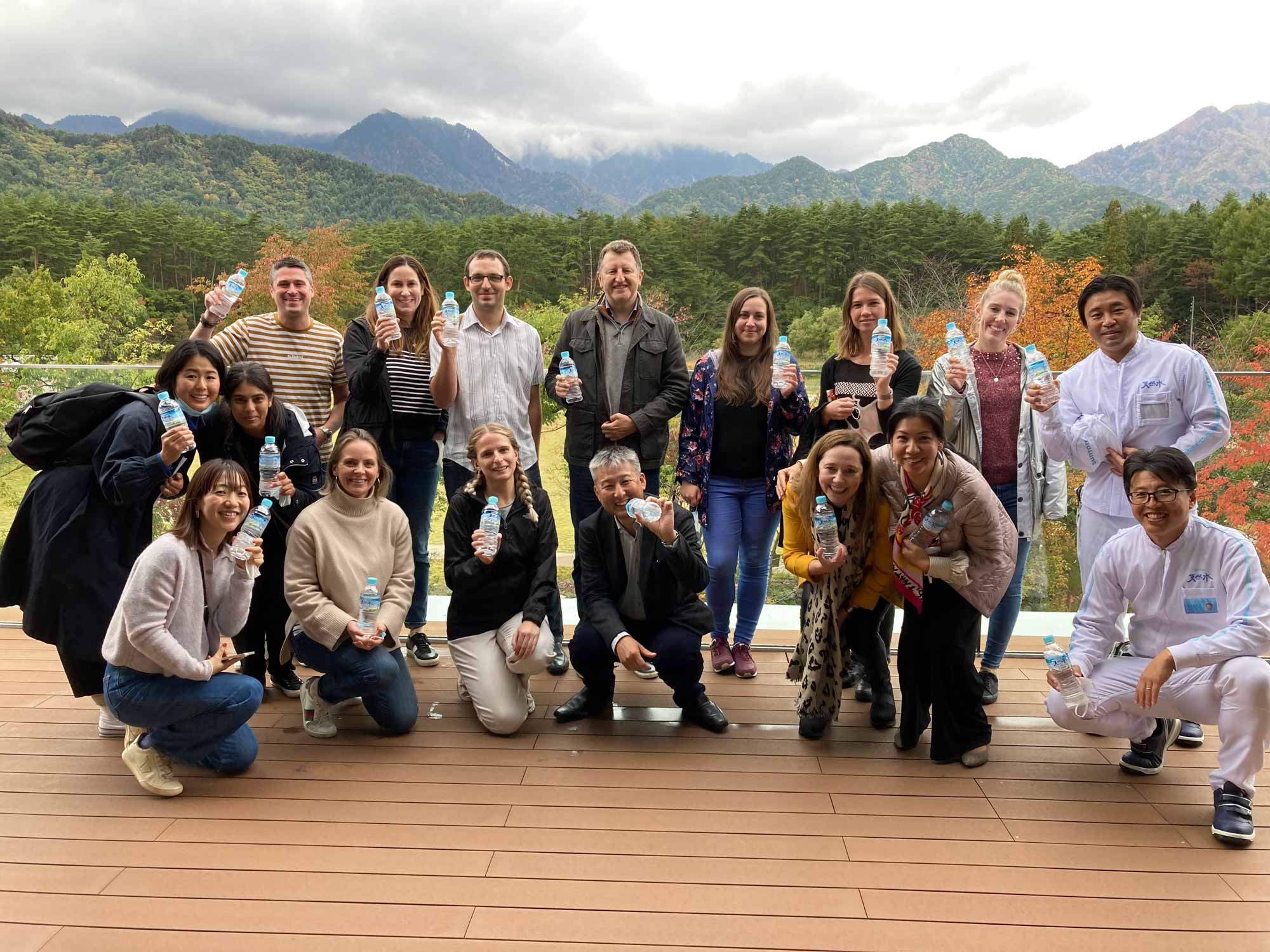
We invited Designers from abroad, and went overseas ourselves to do training courses. We even had people from our international affiliates come to Japan to do training courses at the Design Center.
We did. And for me, every single one of those opportunities became a very memorable experience. So, that's why I think it's my turn now to plan some different projects for training courses and international interaction with the Design Center.
It's great to have opportunities like that! Even though sometimes, despite our best efforts, we fail, and get a little depressed...
Whenever you fail, no matter where you are, the best thing to do is to eat something good, and put it all behind you!
And in this day and age, it's easy to connect online, so you can always check in on Japan, and talk about things with
people close to you.
You're right. And when I think about the amount of time I've spent depressed after things didn't go right, I realize I've spent a whole lot more time being excited.
It all adds up, the successes and the failures, for a life full of fun experiences.